Automatic Braking System in Cars: How It Works & Why It Matters for Road Safety in India
Published: May 28, 2026
Road safety has become an important concern on Indian roads due to increasing traffic, sudden stops, and unpredictable driving conditions. To improve safety, many cars now come with advanced features such as automatic braking systems. This system helps reduce the risk of collisions by detecting obstacles and applying brakes when needed. Hyundai cars offer this feature as part of their advanced safety technologies in selected models. It supports safer travel in both daily city traffic and on highways, making driving more controlled and secure for passengers and other road users.
Table Of Contents
What is an Automatic Braking System?
An automatic braking system is a safety feature that detects possible obstacles or vehicles ahead and applies the brakes if required. The system works when it senses that the car is approaching another vehicle, pedestrian, or object too quickly.
The feature is commonly integrated with Forward Collision-Avoidance Assist (FCA) in Hyundai cars. It supports road safety by helping reduce the impact of collisions or by helping avoid accidents in certain situations.
Unlike manual braking, the system operates via sensors and cameras that continuously monitor road conditions and the distance to vehicles ahead.
Role of the Auto Braking System in Modern Cars
The automatic braking system supports safer driving by reducing reliance on human drivers. In heavy traffic or during sudden braking, the system can help avoid an impact.
In Hyundai cars equipped with ADAS, automatic braking works alongside other safety technologies, such as lane-keeping assist and driver attention warning. These systems together support better road awareness and vehicle control.
As road conditions continue to change in Indian cities and highways, such features have become more relevant for daily travel.
Related Read : Automatic Hatchback Cars Worth Buying
How the Automatic Braking System Works in Hyundai Cars
Hyundai integrates automatic braking support through ADAS technology. The system combines cameras, radar sensors, and electronic braking controls to identify risks and respond when needed.
Sensors and Smart Detection Technology
Hyundai cars equipped with ADAS use front cameras and radar sensors to monitor the road ahead. These sensors continuously scan surrounding traffic, nearby vehicles, pedestrians, and obstacles.
The system measures speed, distance, and relative movement between vehicles. If the sensors detect a potential collision risk, visual and audio alerts are triggered. This technology works in both city traffic and highway conditions. It helps identify sudden stops, lane movement, or vehicles slowing down ahead.
Automatic Braking Response Mechanism
If the driver does not react to the warning alert, the automatic braking system can apply braking force.
The braking response depends on driving speed, road conditions, and the distance to the obstacle. In some cases, the system helps prevent collisions. In other situations, it helps reduce the impact.
The system is designed to enable safer control in the event of sudden traffic movements or unexpected road obstacles.
Hyundai Cars with Advanced Safety and Automatic Braking System Features
Hyundai offers automatic braking support and ADAS features across several models and segments.
Hyundai i20
The Hyundai i20includes safety and convenience features designed for city and highway travel. It offers technologies that support better awareness and control during daily commuting. The hatchback is designed for users seeking practical mobility with connected safety features.
Hyundai VERNA
The Hyundai Verna comes with Level 2 ADAS features, including Forward Collision-Avoidance Assist. The sedan uses radar and camera systems to detect vehicles and obstacles ahead. It also includes lane-keeping assist, blind-spot warning, and driver attention warning features that support road safety.
Hyundai CRETA
TheHyundai CRETA offers multiple ADAS features that support safer travel in urban traffic and on highways. The automatic braking system works with collision detection technology to monitor road conditions ahead. The SUV also includes lane-following assist, adaptive cruise control, and smart warning systems for added support.
Hyundai ALCAZAR
TheHyundai Alcazarcombines spacious seating with advanced safety features. It includes automatic braking support through Forward Collision-Avoidance Assist technology. The ADAS package also supports lane control and safer distance management during long-distance travel.
Hyundai VENUE
The Hyundai VENUE includes safety technologies designed for urban mobility. The automatic braking system helps detect potential collision risks during traffic movement. The SUV also offers features such as driver attention warning and lane keeping assist for additional road support.
Benefits of the Auto Braking System in Hyundai Cars
Automatic braking technology supports safer travel by reducing collision risk and improving response time in sudden situations.
Collision Prevention Support
The system continuously monitors the road ahead and identifies possible hazards. If the vehicle approaches another object too quickly, warnings are activated before automatic braking support is applied. This helps reduce the chances of front-end collisions during traffic movement or sudden stops.
Safer Everyday Driving Experience
Daily commuting often involves traffic congestion, pedestrians, and unpredictable vehicle movement. Automatic braking support helps manage such situations more safely. The feature adds an extra layer of assistance during routine travel in cities and on highways.
Better Control in Unexpected Situations
Sudden stops and unexpected road obstacles can increase the risk of accidents. The automatic braking system helps improve vehicle control in such situations by supporting quicker braking response when reaction time is limited.
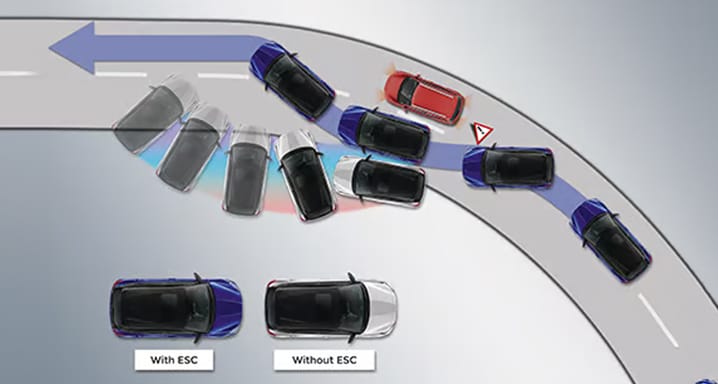
Also Read :- Electronic Stability Control in Cars: Why It Matters for Safer Driving
Why the Automatic Braking System is Important for Indian Roads
Indian roads often feature mixed traffic, crowded junctions, and changing driving patterns. Safety technologies that support quick response can help reduce risks during daily travel.
Safer Driving in Traffic Conditions
Heavy traffic in cities can lead to sudden braking situations. Vehicles often move closely together, especially during peak hours. Automatic braking support helps monitor traffic flow and reduces the risk of collisions caused by sudden stops.
Reducing Human Reaction Delays
Human reaction time may vary due to distraction, fatigue, or unexpected road conditions. Automatic braking systems respond through sensors and electronic controls within seconds. This support becomes useful when quick braking action is required.
Enhancing Confidence in Hyundai Cars
Safety technologies in Hyundai cars are designed to support better road awareness and control. Features such as automatic braking, lane-keeping assist, and collision warning systems help improve confidence while driving. These technologies support safer movement across highways, city roads, and long-distance routes.
Conclusion
The automatic braking system has become an important safety feature in today's cars. It supports collision prevention by detecting risks ahead and applying brakes when needed. On Indian roads, where traffic conditions can change quickly, such systems help improve safety and control.
Hyundai offers automatic braking support through ADAS technologies in models such as VERNA, CRETA, ALCAZAR, VENUE, and Hyundai i20. These features assist during everyday travel, highway journeys, and unexpected road situations, helping make driving safer and more controlled.