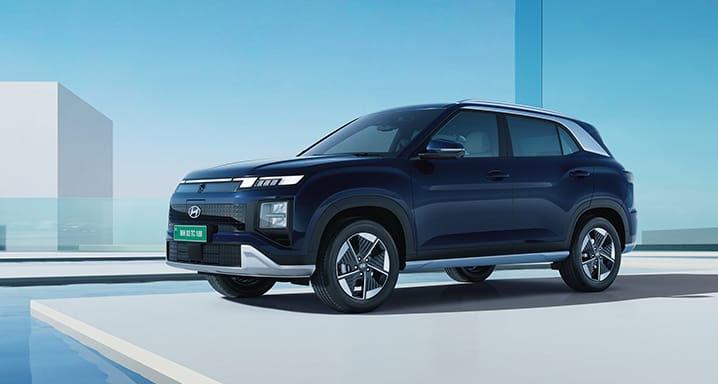
Top 10 Advantages of Buying an Electric Car in 2026
Published: June 11, 2026
Electric cars are becoming a popular choice among Indian consumers in 2026 due to their progressive technology and sustainability benefits. As the country pushes for greener mobility options, electric vehicles (EVs) are recognised for their potential to lower emissions and reduce running costs. This shift aligns with the growing awareness of environmental concerns and the desire for cost-effective transport solutions.
Introduction to Electric Cars in India
Electric cars in India are gaining traction as an integral part of the country’s sustainable mobility strategy. With increasing environmental challenges and evolving government policies, electric vehicles represent a cleaner alternative to conventional petrol and diesel cars. The Indian automotive market in 2026 is embracing EVs for their ability to reduce air pollution and foster energy independence, supported by expanding charging infrastructure and incentives. These benefits of electric cars position them as a significant part of India’s transportation future, helping meet both consumer and regulatory demands.
Why Choose an Electric Car in 2026?
The benefits of electric cars in 2026 are motivating more buyers to make the switch from traditional vehicles. Environmental concerns, rising fuel prices, and government support are key factors driving this trend. Electric cars like Hyundai Creta Electric or Hyundai Ioniq5 offer several tangible advantages:
● Lower operating costs compared to petrol/diesel vehicles
● Supportive government incentives and rebates across India
● A smoother, quieter driving experience with instant torque
● Reduced carbon footprint, contributing to cleaner cities
These advantages of electric cars in 2026 reflect a shift toward more sustainable and economical driving options for Indian consumers.
Related Read: What Makes a Sunroof Car Popular in India: Features, Benefits & Trends
Advantages of Buying an Electric Car in India
The advantages of electric cars offer a compelling combination of cost savings, environmental benefits, and enhanced driving experience. These benefits make electric vehicles increasingly attractive to Indian consumers seeking sustainable, economical mobility solutions.
Lower Running and Fuel Costs
Electric cars cost significantly less to run per kilometre than petrol or diesel counterparts. Charging an electric vehicle in India is cheaper than fueling with petrol or diesel, especially when charging at home. This cost efficiency translates into substantial savings over time, making electric cars economically attractive.
Reduced Maintenance Expenses
Electric cars have fewer moving parts, which means fewer components that can wear out or break. They don’t require oil changes, spark plug replacements, or complex engine servicing. This simplicity leads to lower service costs and less frequent visits to the workshop, reducing overall maintenance expenses.
Zero Tailpipe Emissions for Environmental Sustainability
Electric vehicles produce no tailpipe emissions, making them ideal for reducing urban air pollution. This advantage contributes directly to cleaner air quality and lower greenhouse gas emissions, aligning with India’s environmental targets under the Sustainable Mobility Mission.
Government Incentives and Subsidies
Indian government initiatives like the FAME II scheme offer subsidies and tax rebates for electric vehicle buyers, helping reduce the upfront purchase cost. Additional benefits include exemptions or reductions in road tax and registration fees, as well as state-specific incentives to encourage EV adoption.
Enhanced Driving Experience
Electric cars provide a quieter ride with minimal noise from the electric motor. The instant torque delivery offers swift acceleration and a seamless driving experience without the gear shifts associated with internal combustion engines. Hyundai EVs especially emphasise smooth, comfortable driving.
Home and Workplace Charging Convenience
With expanding public and private charging infrastructure, including home installations, charging electric cars has become increasingly convenient. Hyundai’s growing network of charging facilities ensures that users can recharge their vehicles without hassle, enhancing daily usability.
Reduced Dependence on Fossil Fuels
Driving electric vehicles decreases reliance on petrol and diesel, contributing to India’s energy security. This transition offers price stability, as electricity costs are less volatile than those of fossil fuels, helping Indian consumers better manage transportation expenses.
Also Read: What is Hill Hold Assist and Why It’s Important in Cars?
Advanced Technology and Connectivity Features
Hyundai electric cars come equipped with advanced technology such as Bluelink connectivity, offering remote control and diagnostic features via smartphone apps. Regenerative braking and smart cruise control enhance efficiency and driver comfort, showcasing Hyundai’s commitment to tech innovation.
Access to Restricted Zones and Future-Proofing
Many Indian cities are introducing low-emission zones that restrict conventional fuel vehicles to combat pollution. Electric cars enjoy unrestricted access to these zones, making them practical for urban use while future-proofing against tightening regulations.
Growing Resale Value and Brand Support
As electric vehicles gain acceptance, their resale value is rising. Hyundai supports buyers with strong battery warranties and reliable after-sales service, offering confidence for long-term ownership and protection of investment.
Comparing Electric Cars with Petrol and Diesel Vehicles
| Feature | Electric Cars | Petrol/Diesel Cars |
|---|---|---|
| Fuel/Running Cost | Lower (Electricity is generally cheaper) | Higher (Fuel prices are volatile) |
| Maintenance | Lower (Fewer moving parts and less routine servicing) | Higher (Requires oil changes, engine maintenance, and more frequent servicing) |
| Environmental Impact | Zero tailpipe emissions | Higher emissions, contributing to air pollution and environmental concerns |
| Government Incentives | Substantial subsidies, tax benefits, and rebates in many regions | Few or no incentives available |
| Driving Experience | Quiet operation, instant torque, and smooth acceleration | Engine noise, gear shifts, and comparatively delayed torque delivery |
Electric cars offer important long-term savings, comfort, and environmental benefits over petrol/diesel vehicles, making them a preferable choice for Indian consumers.
Also Read: How Much Does a 5-Seater Car Cost in India? A Quick Overview
Conclusion
Electric cars represent a smart investment in 2026, offering significant benefits such as cost savings, environmental sustainability, and advanced technology. Hyundai offers a diverse range of electric vehicles suited for Indian conditions, backed by extensive support and charging infrastructure.
Discover Hyundai’s electric lineup and take a step toward a cleaner, more efficient driving experience
FAQs
What are the main benefits of electric cars in India?
Electric cars provide lower running costs, reduced emissions, government incentives, and advanced technology, making them cost-effective and eco-friendly.
How much can I save on fuel with an electric car?
Electric cars are significantly cheaper to operate because electricity costs are lower than those for petrol or diesel, resulting in substantial fuel savings over time.
Are electric cars suitable for Indian road conditions?
Many electric cars, including Hyundai’s models, are designed to handle Indian roads with adequate ground clearance and robust build quality.
What government incentives are available for buying electric cars in India?
Incentives include subsidies under the FAME II scheme, tax benefits, lower registration fees, and state-specific rebates to encourage adoption.
How long does it take to charge an electric car at home?
Charging times vary by charger type but typically range from 6 to 8 hours for a full charge on a home wall box, making it suitable for overnight charging.
What is the warranty on electric vehicle batteries?
Hyundai offers competitive battery warranties that provide coverage for several years, ensuring long-term peace of mind for EV owners.