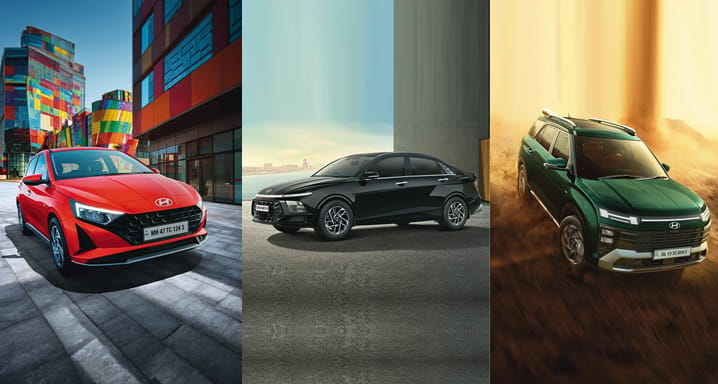
Hatchback vs Sedan vs SUV: Which Car Type is Better for Indian Roads in 2026?
Published: Aug 04, 2026
Indian roads present a mix of perfectly paved expressways, congested market lanes, and sudden monsoon potholes. This variety makes picking a new vehicle a massive challenge. Should you buy a hatchback, a sedan, or an SUV? Your decision will impact your daily commute, family weekend trips, and fuel expenses over the next several years. Making the right choice means looking closely at how you travel and the types of roads you drive on every week. Let us look at how these three distinct body styles fare in real-world Indian driving conditions so you can pick the perfect companion for your driveway.
According to the Society of Indian Automobile Manufacturers (SIAM), passenger vehicle sales in India reached a record 4.64 million units in FY 2025–26. This growth was overwhelmingly led by utility vehicles and SUVs, which grew by 11% over the full fiscal year. This massive surge shows a clear, structural shift in what Indian buyers want. Families are increasingly prioritising higher ground clearance and better cabin space to handle unpredictable road conditions across the country.
What are the Three Types of Cars?
Knowing the core features of each vehicle body style helps you determine which one best fits your daily schedule.
What is a Hatchback?
A hatchback is a compact car with a rear door that swings upward to let you access the cargo area. Because it lacks an extended trunk, its short length makes it incredibly easy to drive through tight city lanes and fit into small parking spots.
What is a Sedan?
A sedan is a traditional car built with a completely separate boot compartment for luggage. This design gives the vehicle a balanced look and blocks out road noise from the trunk, making it a favourite for buyers who want an exceptionally quiet and smooth highway ride.
What is an SUV?
An SUV stands for a Sport Utility Vehicle with an elevated seating position and ample ground clearance. It gives the driver a clear view of the road ahead and allows easy driving over deep potholes or broken roads without scraping the underbody.
How Do They Compare with Each Other?
Let us look at how hatchbacks, sedans, and SUVs stack up across the key categories that affect your daily driving experience. The comparison of hatchback vs sedan vs SUV can help you make an informed decision based on your needs, preferences, and lifestyle.
| Feature | Hatchback | Sedan | SUV |
|---|---|---|---|
| Size | Compact and short | Medium and elongated | Tall with a larger footprint |
| Ground Clearance | Lower | Moderate | High |
| City Commuting | Easy to turn and park | Comfortable but needs more turning room | High road presence; needs large parking spaces |
| Cabin & Trunk Space | Great for small families | Large cabin with a separate boot | Highly spacious with flexible cargo layouts |
| Seating View | Standard road view | Lower, closer to the road | Elevated, commanding view |
| Fuel Economy | Generally high | Highly dependent on engine choice | Varies based on vehicle weight and size |
While these differences define each car type, matching them to your personal comfort preferences and daily route will point you toward the right choice.
Which One Matches Your Lifestyle?
To simplify your decision, let us see how each car fits your daily routine and personal habits.
A Hatchback is Best If…
● You live in a crowded metro area and face bumper-to-bumper traffic daily.
● Finding a tight parking slot near your office or home is a constant challenge.
● You want excellent fuel economy for everyday office commuting.
● You have a nuclear family, or you do most of your driving alone.
A Sedan is Best If...
● Your routine involves frequent, long highway journeys between cities.
● You place top priority on rear-seat passenger comfort and absolute refinement.
● You want a deep, dedicated trunk space to keep vacation luggage completely out of sight.
● You like a lower, sporty driving feel with highly stable highway handling.
An SUV is Best If...
● You regularly travel with a large family or carry bulky gear.
● The roads in your area are uneven, unpaved, or prone to waterlogging.
● You prefer sitting up high to see over the traffic in front of you.
● You need a highly versatile vehicle that feels confident on any terrain.
Hyundai's Car Lineup in India
Hyundai provides a wide selection of cars across all three categories to help you find the exact powertrain and size you need.
Hyundai Hatchbacks
These cars are built to fit into tight parking slots and move through heavy traffic with total ease:
● Hyundai GRAND i10 NIOS: A highly practical city hatchback starting at ₹5,59,700* (Ex-showroom).
● Hyundai i20: A premium, tech-loaded hatchback starting at ₹5,99,700* (Ex-showroom).
Hyundai Sedans
These three-box models give you a longer shape, smooth road manners, and a locked boot to keep your luggage safe and separate from the passengers:
● Hyundai AURA: A highly efficient compact sedan starting at ₹5,99,990* (Ex-showroom).
● Hyundai VERNA: A premium sedan featuring Hyundai SmartSense Level 2 ADAS, starting at ₹10,99,200* (Ex-showroom).
Hyundai SUVs
This lineup includes a range of cars, from small sub-compact urban cars to spacious options for large families, ensuring that every need is met.
● Hyundai EXTER: A compact, feature-rich SUV starting at ₹5,80,600* (Ex-showroom).
● Hyundai VENUE: A connected sub-compact SUV starting at ₹7,99,900* (Ex-showroom).
● Hyundai CRETA: A highly popular mid-size SUV starting at ₹10,90,700* (Ex-showroom).
● Hyundai ALCAZAR: A premium family vehicle with 6- and 7-seater configurations, starting at ₹14,50,700* (Ex-showroom).
● Hyundai CRETA Electric: An efficient, all-electric SUV starting at ₹18,02,800* (Ex-showroom).
● Hyundai IONIQ 5: A flagship electric SUV with ultra-fast charging capabilities, starting at ₹55,70,600* (Ex-showroom).
Conclusion
When considering the right vehicle type, it's important to weigh the pros and cons of hatchback vs sedan vs SUV based on your personal travel needs and budget. A hatchback is ideal for city dwellers, offering unmatched manoeuvrability and easy parking in tight spaces. On the other hand, a sedan excels in providing supreme comfort during long drives on open expressways, making it a great choice for those who prioritise a smooth ride. Meanwhile, an SUV stands out with its higher ride height and ample cargo space, making it perfect for tackling rough roads and outdoor adventures with confidence. Ultimately, the decision boils down to what fits your lifestyle.
Book a test drive at your nearest authorised Hyundai dealership to experience the seating differences firsthand and pick the perfect match for yourself.
FAQs
Which car type is easier to drive in city traffic?
Hatchbacks are generally the easiest to drive in city traffic due to their compact size, making them simpler to manoeuvre through congested roads and park in tight spaces.
Do SUVs consume more fuel compared to hatchbacks and sedans?
Fuel efficiency varies by engine and driving conditions. As SUVs are generally larger and heavier, they may consume more fuel than comparable hatchbacks or sedans.
Which car type has lower maintenance costs?
Maintenance costs depend on the model, engine, and service schedule. In general, hatchbacks tend to have lower maintenance costs because of their simpler design and compact size.
Which car type generally has better resale value in India?
Resale value depends on factors such as the model, condition, service history, and market demand. Popular hatchbacks, sedans, and SUVs can all retain good resale value when they are well maintained.
Disclaimer: Prices mentioned are starting ex-showroom prices and may vary by variant, location, and purchase time.