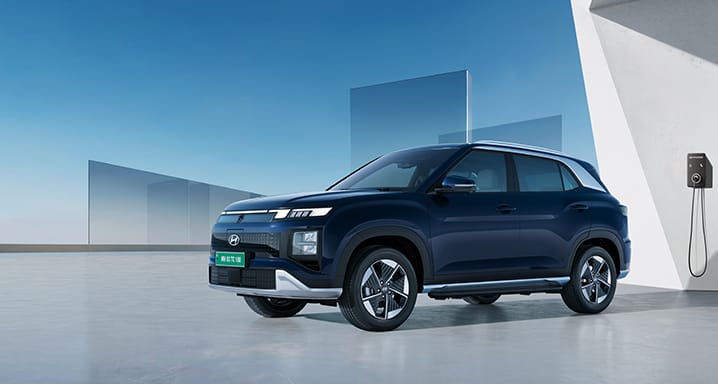
Hyundai CRETA Electric BaaS: How It Works, Pricing & Is It Worth It?
Published: Aug 04, 2026
Buying an electric SUV often comes with a big price tag, mainly because electric vehicle batteries are expensive to manufacture. For many Indian car buyers, this high initial cost is one of the important reasons to delay switching from petrol or diesel. Hyundai India introduced a new option to tackle this exact problem: the Battery-as-a-Service model for its popular electric SUV. By separating the vehicle purchase price from the battery pack cost, the starting price drops significantly. But is Hyundai CRETA EV BaaS worth it for your daily routine and budget? Let us see how this ownership system works, what it costs and who benefits the most.
What is BaaS (Battery-as-a-Service) in the Hyundai CRETA Electric?
Battery-as-a-Service is an ownership setup where you buy the car body and chassis while renting or paying a usage fee for the battery pack. In a regular electric car purchase, you pay for the entire vehicle, including the battery, all at once. Since the battery is the most expensive single component in an electric car, bundling it into the invoice drives up the showroom price.
With the CRETA EV BaaS program, Hyundai separates these two costs. You pay a lower price to take the car home and then pay a separate monthly battery fee based on the distance you drive.
How the Battery Subscription Model Works
When you purchase the Creta under BaaS, you pay a starting ex-showroom price of ₹10.99 Lakh instead of the complete vehicle price, which usually starts around ₹18.03 Lakh. The remaining value, representing the battery pack, is converted into a flexible usage fee.
The battery fee starts at ₹3.9 per kilometre. You pay for the battery as you drive, much like paying for fuel at a petrol station, but at a lower per-kilometre cost. Hyundai handles the battery warranty and health tracking, taking away the worry of long-term battery degradation.
BaaS vs Traditional EV Ownership: Cost & Savings Breakdown
To see if this setup makes financial sense, it helps to compare traditional EV buying against the subscription route across upfront costs, monthly running expenses and long-term ownership value.
| Parameter | Traditional EV Ownership | CRETA EV BaaS Ownership |
|---|---|---|
| Ex-Showroom Entry Price | ₹18.03 Lakh | ₹10.99 Lakh |
| Upfront Battery Cost | Included in vehicle invoice | Separated from vehicle invoice |
| Battery Payment Method | Full upfront payment or vehicle loan EMI | Usage fee starting at ₹3.9 per km |
| Home Charging Hardware | 7.4 kW Wall Box Charger (HC variants) | 7.4 kW Wall Box Charger (HC variants) |
| Battery Warranty | 8 Years / 1,60,000 km | 8 Years / 1,60,000 km |
Initial Purchase Price & Upfront Savings
The most immediate benefit of the CRETA EV BaaS model is the reduced entry barrier. By removing the upfront battery cost, the initial purchase price drops by over ₹7 Lakh.
This reduction lowers your down payment requirements and reduces loan processing amounts. Buyers who previously found electric SUVs out of reach due to strict budget limits can now access a mid-size electric SUV at the price point of a mid-spec petrol or diesel vehicle.
Monthly Subscription Fees & Running Expenses
Your monthly expenditure under BaaS depends directly on your driving habits. The battery fee starts at ₹3.9 per kilometre.
● For a driver covering 1,000 km per month: The battery usage fee comes to roughly ₹3,900 per month, plus the small cost of home electricity used to charge the car.
● For a driver covering 2,000 km per month: The battery fee equals around ₹7,800 per month.
Compared with petrol or diesel vehicles that often cost ₹7 to ₹10 per kilometre in fuel alone, the combined cost of the battery fee and electricity remains lower per kilometre.
However, if your car stays parked in the garage for long stretches, you still need to account for minimum subscription terms or base charges specified in your agreement.
Long-Term Ownership, Battery Health & Replacement
A major worry for electric vehicle owners is how much capacity the battery loses over time, along with the high cost of eventual replacement. Under the BaaS structure, Hyundai maintains an 8-year or 1,60,000-kilometre warranty on the battery pack.
Since the battery functions under a managed service structure, Hyundai monitors its health. If the battery performance drops below acceptable operational standards within the covered terms, it is serviced or replaced under the program guidelines. This removes the risk of facing a massive out-of-pocket battery replacement bill years down the line.
Who Should Choose Hyundai CRETA Electric BaaS? Key Decision Factors
Deciding whether Hyundai CRETA EV BaaS is worth it depends on how you plan to use the vehicle every day.
Daily Driving Distance & Usage Patterns
● Ideal for Consistent Daily Commuters: If you drive between 30 km and 80 km daily for work, business or family runs, BaaS provides steady, predictable monthly savings. The money saved on the initial purchase price offsets the monthly usage payments, making it a cost-effective choice.
● Less Suitable for Very Low-Mileage Users: If you drive less than 300 km to 400 km a month, the upfront savings may take longer to balance against ongoing subscription commitments. Traditional full-purchase models might suit occasional drivers better.
Practicality, Features & Ecosystem
Choosing the BaaS variant does not mean sacrificing convenience, safety or vehicle features:
● Battery & Range: The vehicle comes with two battery options, a 42 kWh pack delivering 420 km range and a 51.4 kWh pack providing up to 510 km ARAI-certified range.
● Performance: The long-range variant moves from 0 to 100 km/h in 7.9 seconds, featuring Eco, Normal and Sport drive modes.
● Charging Convenience: DC fast chargers take the battery from 10% to 80% in 39 minutes. Home Charger (HC) variants include a 7.4 kW wall box charger.
● Added Comfort: Recent updates include an integrated side foot step for easier cabin access and higher ground convenience.
● Charging Network Access: Hyundai operates over 214 DC fast chargers across 183 locations and offers access to more than 10,000 charging points through the myHyundai app.
Conclusion
So, is the Hyundai CRETA EV BaaS worth it for your next car purchase? Yes, if your primary goal is to lower your initial buying budget while enjoying the benefits of a modern electric SUV. By bringing the starting ex-showroom price down to ₹10.99 Lakh and charging a manageable battery fee starting at ₹3.9 per km, Hyundai makes EV ownership far more flexible. It eliminates worries about battery degradation costs and frees up capital that would otherwise go toward a large upfront vehicle payment.
Visit your nearest authorised Hyundai dealership to explore the Hyundai CRETA Electric with flexible Battery-as-a-Service options.
Book a test drive online today to experience the future of smooth, cost-effective electric driving.
FAQs
What is Battery-as-a-Service (BaaS) in Hyundai CRETA Electric?
BaaS separates the car purchase price from the battery pack cost. You buy the vehicle at a lower price and pay a separate battery usage fee starting from ₹3.9 per km.
Is Hyundai CRETA Electric with BaaS cheaper upfront than full purchase?
Yes. The BaaS option drops the starting ex-showroom price to ₹10.99 Lakh, compared to standard full-purchase prices that start around ₹18.03 Lakh.
How does monthly battery subscription affect total running cost?
At ₹3.9 per km plus electricity costs, daily running expenses stay significantly lower than petrol or diesel vehicles, especially for drivers covering regular daily distances.
Who benefits the most from choosing the BaaS option?
City commuters and buyers wanting a mid-size electric SUV on a tighter initial purchase budget benefit most, as they get lower entry costs and manageable usage fees.