What is BaaS in EVs?
Published: Aug 04, 2026
Imagine walking into a car showroom, finding an electric SUV you love, and realising it costs nearly the same upfront as a regular petrol model. High purchase prices have historically kept many Indian buyers from making the switch to electric cars. The battery pack alone accounts for a massive portion of an electric vehicle's total manufacturing expense. Car manufacturers are turning to an innovative solution: Battery-as-a-Service. Understanding what is BaaS in EV setups helps explain how this model changes the financial calculation for buyers across India.
Table Of Contents
Understanding Battery-as-a-Service (BaaS) in India
Battery-as-a-Service is an ownership setup where you purchase the vehicle body while paying for the battery pack separately. Traditional car buying forces you to pay for the entire car and its power source together in one invoice. BaaS breaks this bundled pricing structure apart to lower the initial entry barrier.
Separating Vehicle Price from Battery Cost
Removing the heavy battery expense from the car's sticker price lowers the upfront payment significantly. You take ownership of the vehicle chassis, interior, wheels, and electric motor. The battery operates under a rental or usage fee arrangement.
Paying a recurring usage fee, starting at just ₹3.9 per kilometre, functions similarly to buying fuel for a conventional car, but at a lower per-kilometre rate. This structure makes electric cars far more accessible to daily drivers.
Battery Ownership vs Battery Subscription: Key Benefits for EV Buyers
Choosing a battery subscription instead of buying the pack outright offers several distinct practical advantages.
Lower Upfront Purchase Price
Lower acquisition costs are the primary reason buyers explore subscription options. The starting price of a mid-size electric SUV drops dramatically under this system.
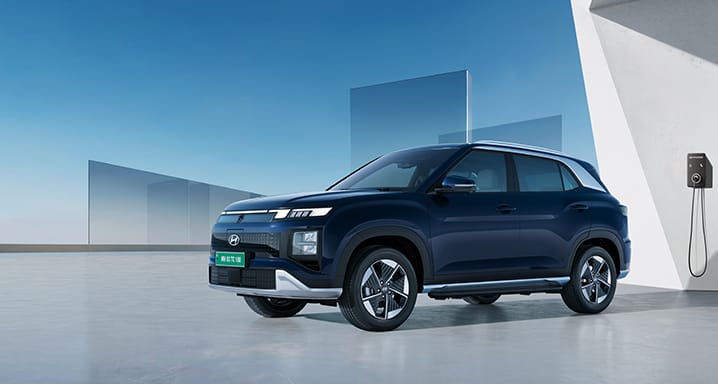
Under the BaaS ownership structure, the Hyundai CRETA Electric starts at ₹10.99 Lakh (ex-showroom). Buying the vehicle with the battery included usually costs upwards of ₹18 Lakh. This ₹7 Lakh drop in the entry price makes electric mobility achievable on a much smaller initial budget.
Pay-As-You-Drive Usage Structure
Paying for battery usage as you drive helps manage monthly household expenses smoothly. If you drive short distances during a specific month, your overall operational spend drops accordingly.
| Ownership Aspect | Traditional Full EV Purchase | Battery-as-a-Service (BaaS) |
|---|---|---|
| Ex-Showroom Entry Price | Higher upfront (~₹18.03 Lakh) | Lower upfront (From ₹10.99 Lakh) |
| Battery Payment | Paid entirely at time of purchase | Subscription / Usage-based fee (From ₹3.9/km) |
| Upfront Loan Component | Larger loan or down payment | Smaller loan or down payment |
| Battery Warranty Coverage | Standard 8 Years / 1,60,000 km | Standard 8 Years / 1,60,000 km |
Reduced Battery Health Concerns
Fears over battery lifespan, capacity loss, and replacement bills often hesitate prospective buyers. BaaS shifts the long-term responsibility of battery health monitoring to the car manufacturer.
Standard EV warranties, such as Hyundai's 8-year or 1,60,000-kilometre coverage, remain active. Managing the battery pack under a service ecosystem ensures you receive maintained hardware without facing sudden replacement costs down the road.
Key Factors to Consider Before Choosing a BaaS Model
Evaluating BaaS meaning in the context of your daily routine helps determine if this setup suits your family's needs.
Daily Driving Distance & Monthly Usage Patterns
High-mileage commuters benefit most from usage-based plans. Driving between 30 km and 80 km daily generates steady savings compared to running a petrol or diesel car. Very low-mileage drivers who only cover a couple hundred kilometres a month should verify whether minimum monthly base fees apply before choosing a plan.
Long-Term Ownership Plans
Planning how many years you intend to keep the car helps evaluate subscription contracts. Staying with the car for five to seven years allows the initial savings on purchase price to offset ongoing monthly kilometre fees smoothly.
Features and Specifications of the Hyundai CRETA Electric BaaS
Car makers are increasingly bringing this pricing structure to mainstream passenger vehicles in India.
Hyundai Motor India introduced the Battery-as-a-Service model for its popular electric SUV, the CRETA Electric. This update lowered the starting price of the vehicle to ₹10.99 Lakh (ex-showroom), offering battery rental plans starting at ₹3.9 per kilometre.
Recent updates to the CRETA Electric line-up enhance the overall ownership experience:
● Battery Options: Available with a 42 kWh standard battery and a 51.4 kWh long-range pack delivering up to 510 km ARAI-certified range.
● Charging Features: DC fast charging charges the battery from 10% to 80% in approximately 39 minutes. Selected Home Charger (HC) variants now include a 7.4 kW wall box charger.
● Added Convenience: The vehicle includes an integrated side foot step for easier entry and exit, along with Vehicle-to-Load (V2L) capability, Single Pedal Drive (i-Pedal), Level 2 ADAS, and Active Air Flaps.
● Expanding Ecosystem: Hyundai supports drivers with an expanding charging network, featuring over 214 DC fast chargers across 183 locations and hundreds of charging points across India.
Is BaaS the Future of Electric Mobility in India?
Lowering upfront costs plays a critical role in speeding up electric car adoption across Indian cities. Splitting battery hardware costs away from the car invoice brings electric vehicles into direct price competition with traditional petrol or diesel cars.
Expanding public fast-charging networks alongside flexible home charging options gives buyers greater confidence. Usage-based battery models remove financial hurdles, making zero-emission travel practical for everyday drivers.
Conclusion
Understanding what is BaaS in EV ownership reveals how separating battery costs from the car price makes electric vehicles far more affordable. Paying for battery usage through manageable per-kilometre charges lowers the entry price without compromising on range, performance, or cabin features. Car buyers looking for lower upfront expenditure, reliable battery protection, and flexible monthly costs will find Battery-as-a-Service a practical gateway into electric driving.
Experience the perfect blend of electric performance and unbeatable value with the new Hyundai CRETA Electric starting at ₹10.99 Lakh. Visit your nearest authorised Hyundai showroom today or book a test drive online to discover the ease of Battery-as-a-Service.
FAQs
What does BaaS mean in electric vehicles?
BaaS stands for Battery-as-a-Service. It separates the cost of the battery from the vehicle price, letting you rent or pay for battery usage separately.
Is BaaS cheaper than buying an EV battery upfront?
BaaS significantly lowers your initial vehicle purchase price. Overall lifetime savings depend on your monthly driving mileage and the applicable per-kilometre battery subscription rate.
What are the main benefits of Battery-as-a-Service?
Main benefits include lower upfront vehicle acquisition costs, reduced worries about long-term battery degradation, and flexible pay-as-you-drive monthly payment plans.
Is BaaS available for Hyundai EVs?
Yes, Hyundai India offers the Battery-as-a-Service model for the CRETA Electric, starting at ₹10.99 Lakh with battery usage rates from ₹3.9 per kilometre.