Regenerative Braking in Electric Vehicles: How It Improves Range and Efficiency
Published: April 27, 2026
Electric vehicles are designed to use energy more efficiently than conventional vehicles. One of the key technologies that supports this is regenerative braking. It helps recover energy that is usually lost during braking and improves overall driving efficiency. This system plays an important role in extending the range, especially in daily city use.
Table Of Contents
What Is Regenerative Braking in Electric Vehicles?
Regenerative braking is a technology used in electric vehicles that converts kinetic energy into electrical energy during deceleration. Instead of losing this energy as heat, the system captures it and stores it in the battery. This process improves overall efficiency and helps maximise energy usage during everyday driving.
In simple terms, regenerative braking allows energy to be reused. When the vehicle slows, the energy generated by motion is redirected back into the battery rather than being wasted. This makes electric vehicles more efficient, particularly in situations that involve frequent braking, such as city traffic.
How a Regenerative Braking System Works in EVs?
The electric motor plays a dual role in this system. While driving, it powers the wheels. During braking, it acts as a generator. The motion of the wheels generates electricity, which is sent back to the battery. This process happens automatically without requiring additional input.
Difference Between Traditional Braking and EV Regenerative Braking
Traditional braking systems rely on friction to reduce speed, which results in energy loss as heat. Regenerative braking, on the other hand, captures part of this energy and converts it into electricity. While both systems work together, regenerative braking reduces dependency on mechanical braking in normal conditions.
Related Read: Best EV Cars in India for Long-Distance Travel
How Regenerative Braking Improves Electric Vehicle Range?
Regenerative braking directly improves the driving range of electric vehicles. By recovering energy during deceleration, it reduces the need for frequent charging and supports better battery usage.
Energy Recovery and Battery Recharging During Braking
Every time the vehicle slows, the system recovers a portion of its kinetic energy. This recovered energy is stored in the battery and reused for acceleration. Over time, this repeated process adds to the available energy, helping extend the overall range.
Impact on Electric Vehicle Range in City Driving
City driving conditions involve frequent stops at traffic signals and in congested areas. These conditions create more opportunities for regenerative braking to function. As a result, electric vehicles can achieve better efficiency in urban environments than on a steady highway.
Role of Regenerative Braking in Modern EV Car Technology
Modern electric vehicles integrate regenerative braking with advanced control systems. These systems adjust energy recovery based on speed, battery condition, and driving patterns. This ensures smooth performance while maintaining efficient energy use.
Benefits of Regenerative Braking for Electric Vehicles
Regenerative braking offers multiple advantages that improve the performance and efficiency of electric vehicles. It supports energy conservation while also reducing wear on key components.
Improved Efficiency and Reduced Energy Waste
By converting braking energy into usable electricity, regenerative braking reduces overall energy waste. This improves efficiency and ensures that more of the stored battery energy is used effectively during driving.
Reduced Wear on Brake Components
Since regenerative braking handles most of the deceleration in regular conditions, mechanical brakes are used less frequently. This helps reduce strain on brake pads and components, leading to lower maintenance needs over time.
Better Battery Management in Electric Vehicles
The system helps regulate the flow of energy back into the battery. It ensures that charging happens in a controlled manner during braking. This supports stable battery performance and helps maintain consistent energy levels during use.
Regenerative Braking in Modern EV Technology
Regenerative braking has evolved with advancements in electric vehicle technology. It is now more responsive, adaptable, and integrated with other systems in the vehicle.
Smart Regenerative Braking Systems in New EVs
Modern systems can automatically adjust braking intensity based on driving conditions. Sensors and software monitor speed and traffic patterns to optimise energy recovery. This ensures a balanced and efficient driving experience.
Adjustable Regenerative Braking Levels
Many electric vehicles offer adjustable regenerative braking levels. Higher levels provide stronger deceleration and increased energy recovery, while lower levels allow smoother coasting. This gives flexibility to adapt to different driving conditions.
Integration With Advanced Electric Vehicle Battery Systems
Regenerative braking works closely with battery management systems. These systems control how much energy can be stored safely during braking. This integration ensures efficient energy recovery without affecting battery performance.
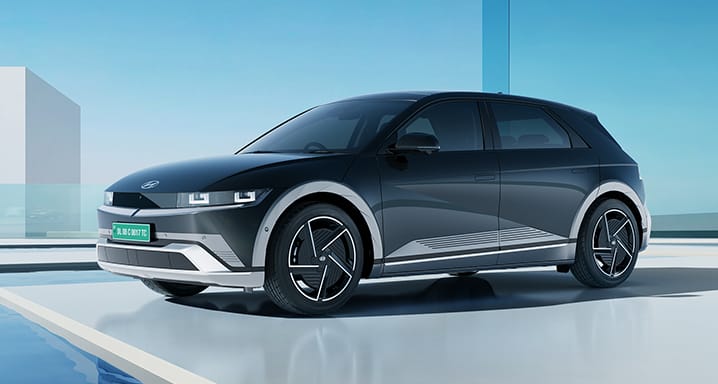
Regenerative Braking in the Hyundai IONIQ 5
The Hyundai IONIQ 5 - The All-Electric SUV uses regenerative braking to improve efficiency during daily driving. The system captures energy during deceleration and feeds it back into the battery. It operates automatically, making it easy to use in both city and highway conditions.
i-Pedal Driving and Energy Recovery Features
The i-Pedal feature allows the vehicle to slow down significantly when the accelerator is released. This increases regenerative braking and reduces the need to frequently use the brake pedal. It also supports better control in stop-and-go traffic.
How Regenerative Braking Improves Range in the Hyundai IONIQ 5?
In the Hyundai IONIQ 5, regenerative braking helps extend range by recovering energy during frequent slowdowns. This is especially effective in urban environments. The system ensures energy is reused efficiently, enabling longer drive ranges between charges.
Also Read: Top 10 Benefits of Choosing Eco-Friendly Cars
Tips to Use Regenerative Braking Efficiently
Using regenerative braking effectively can help maximise its benefits. Simple driving techniques and awareness of conditions can improve energy recovery.
Driving Techniques to Maximise Energy Recovery
Gradual acceleration and early deceleration allow the system to recover more energy. Releasing the accelerator early extends the braking phase, improving overall efficiency.
Best Situations to Use EV Regenerative Braking
Regenerative braking works best in city traffic, downhill drives, and areas with frequent stops. These conditions provide more opportunities for energy recovery compared to constant-speed driving.
Balancing Regenerative and Mechanical Braking
Both regenerative and mechanical braking systems are important. Regenerative braking is effective for regular deceleration, while mechanical brakes are required for sudden stops. Using both systems appropriately ensures safety and consistent performance.
Conclusion
Regenerative braking is an important feature in electric vehicles that improves efficiency and supports better energy use. It helps recover energy during braking, reduces energy waste, and extends driving range. It also lowers wear on brake components and supports battery management. In vehicles such as the Hyundai IONIQ 5 - The All-Electric SUV, regenerative braking is integrated with advanced features to deliver a balanced and efficient driving experience.